Every earlier drawing of the Marketing Helix, in order, with what changed and why. None of these is the current figure.
This page is part of the Marketing Helix development history. It is preserved as an exploration or earlier version, not as the current canonical model.
1. The original diagram set Archived
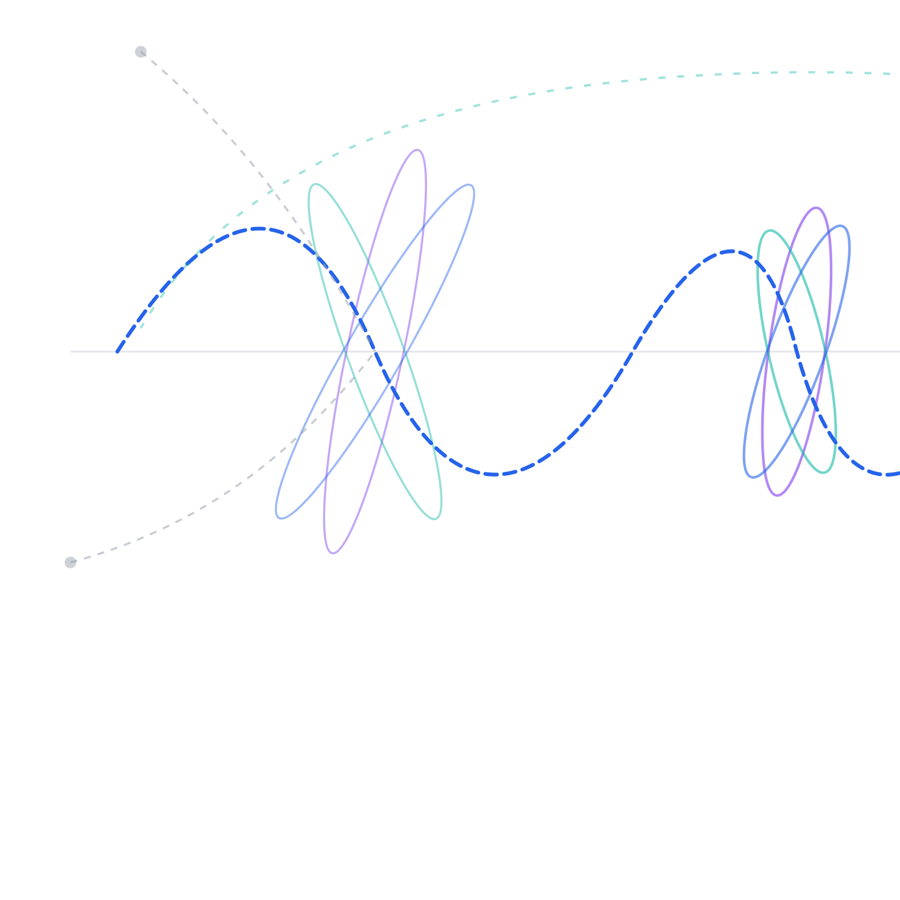
Twenty six abstract drawings, with no labels inside them. They ran left to right or had no direction at all. The complete model was a dashed path through clusters of rings.
What changed and why. Without labels, a reader could not tell the customer from the message. Every later version puts the names in the drawing.
Archived The first complete model.
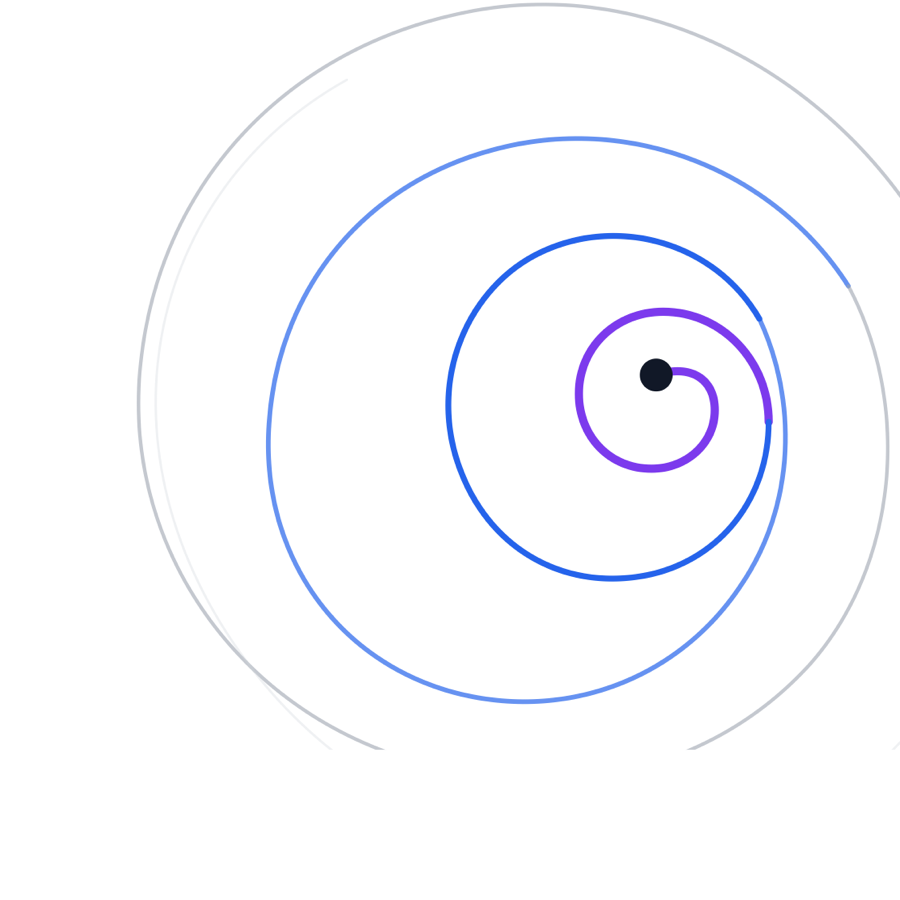
Archived Helix uncoiling.
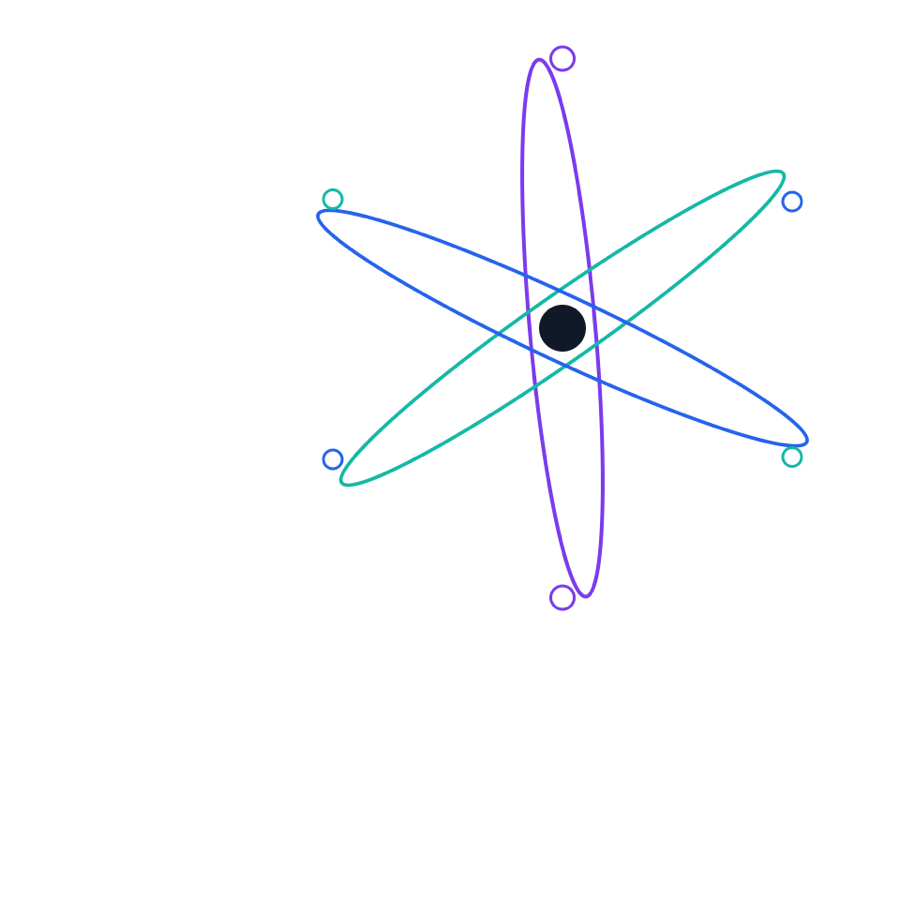
Archived The three forces.
2. Scene drawings (late September 2026) Deprecated
For a few days the model’s ideas were drawn as real-world scenes: a shop, a garden, a road. They were careful drawings and they were the wrong kind of picture.
What changed and why. On a site that defines a model, the literal thing to draw is the model. A scene asks the reader to decode a metaphor before reaching the idea. On October 1, 2026 every scene on a live page was replaced by a diagram of the model. The scenes are not reproduced here.
3. The upright set (October 1 to October 10, 2026) Superseded
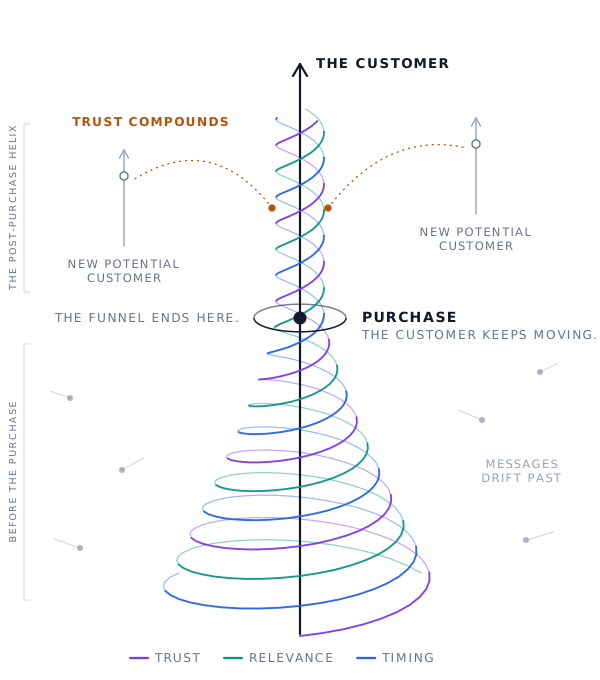
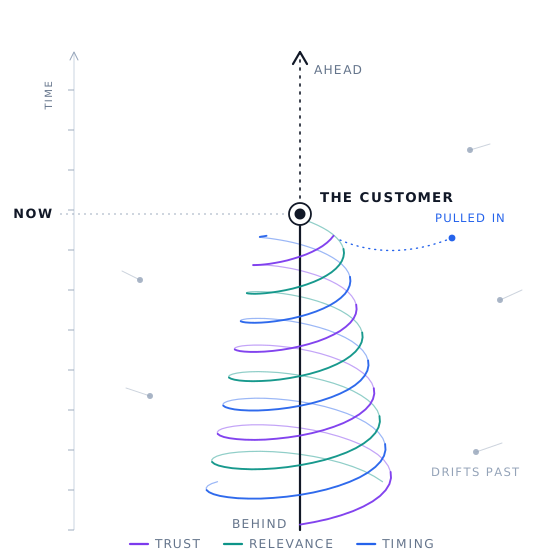
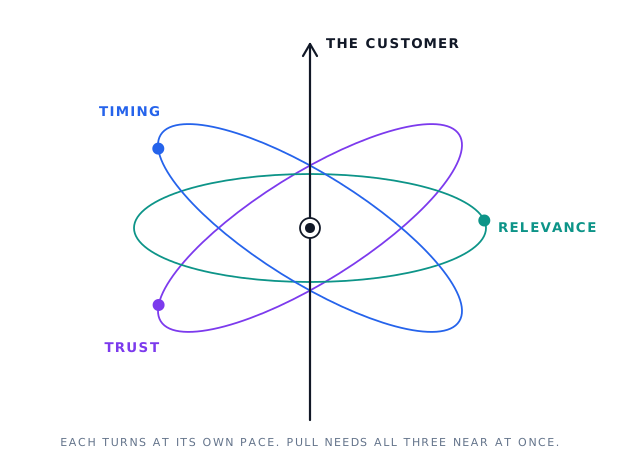
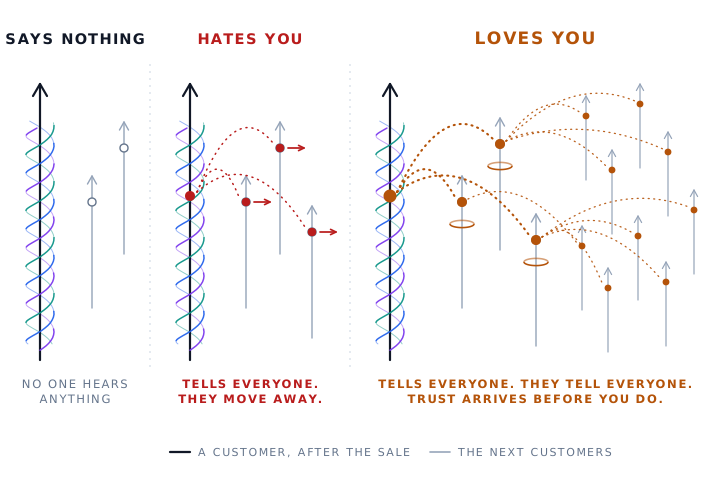
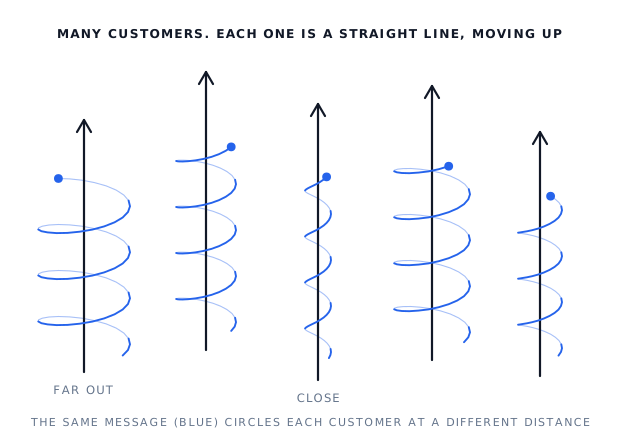
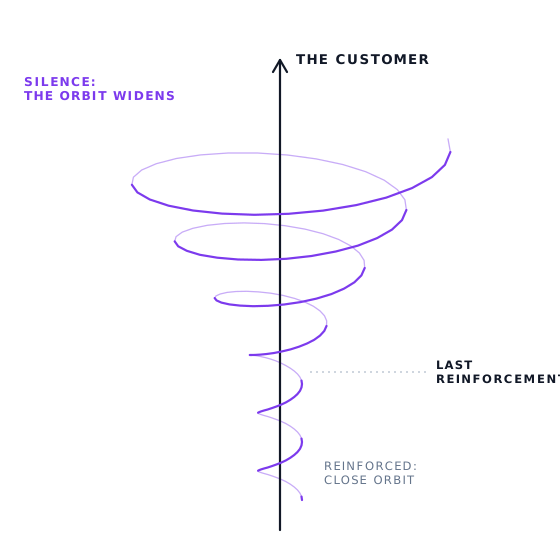
Diagrams of the model in the vocabulary of the films: the customer is a dark straight line moving up, and trust, relevance, and timing wind around it as three colored strands.
What changed and why. Two things. Upward was the films’ direction, but a funnel cannot be drawn in the same picture without one of the two being upside down. Turned on its side, with time running left to right, both read correctly. And three strands in one drawing asked the reader to learn three things before the first one: the current figures show one marketing message, and explain trust, relevance, and timing separately.
Superseded The complete model, upright.
Superseded The customer in motion.
Superseded The three forces.
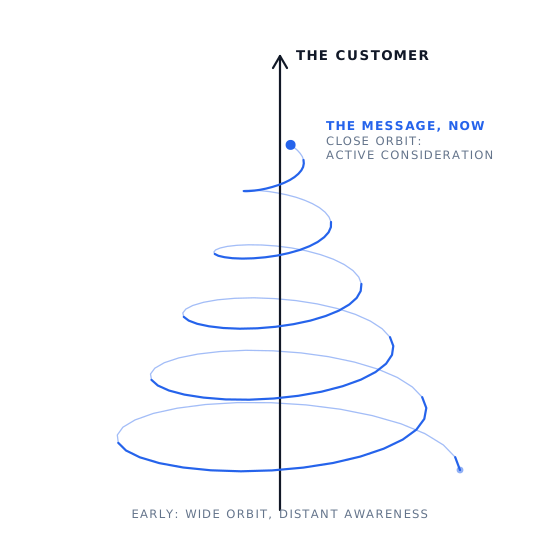
Superseded Orbit tightening.
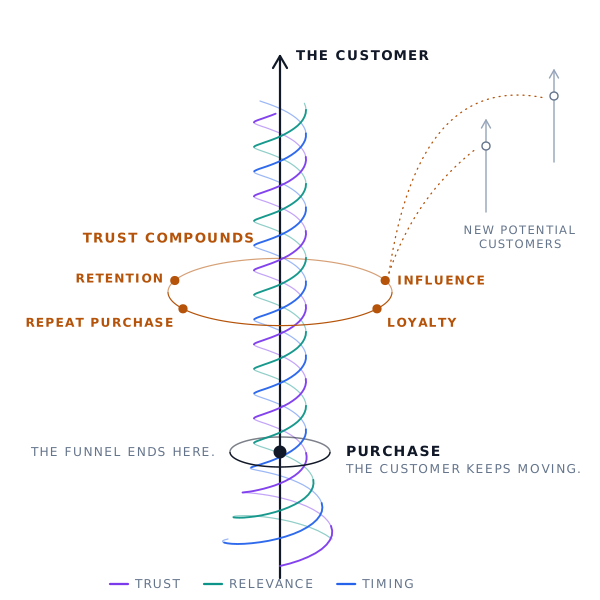
Superseded The Post-Purchase Helix.
Superseded After the sale.
Superseded Market in motion.
Superseded Trust decay.
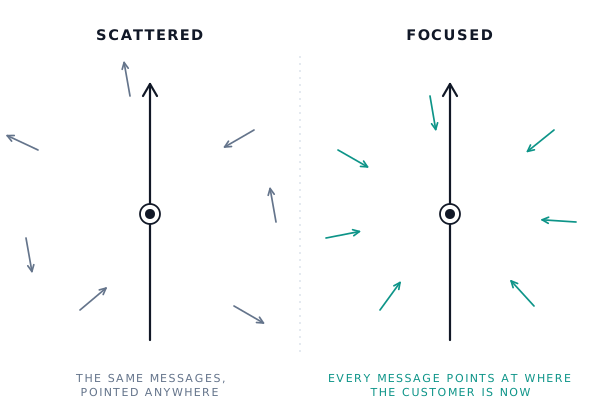
Superseded Scattered and focused.
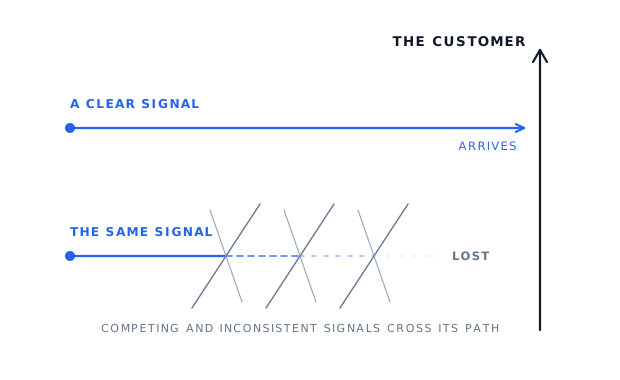
Superseded Signal interference.
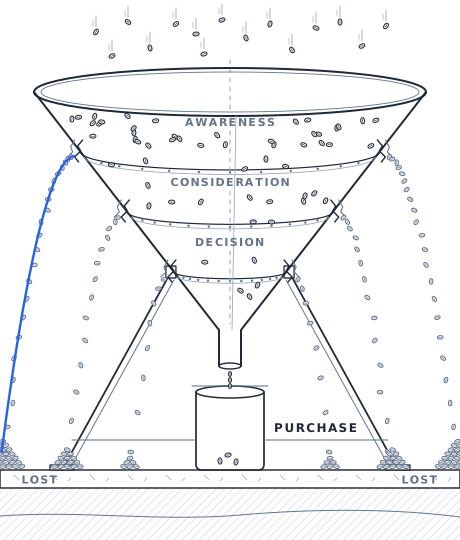
Superseded The funnel, pointing down.
4. The model in one picture (October 1, 2026) Superseded
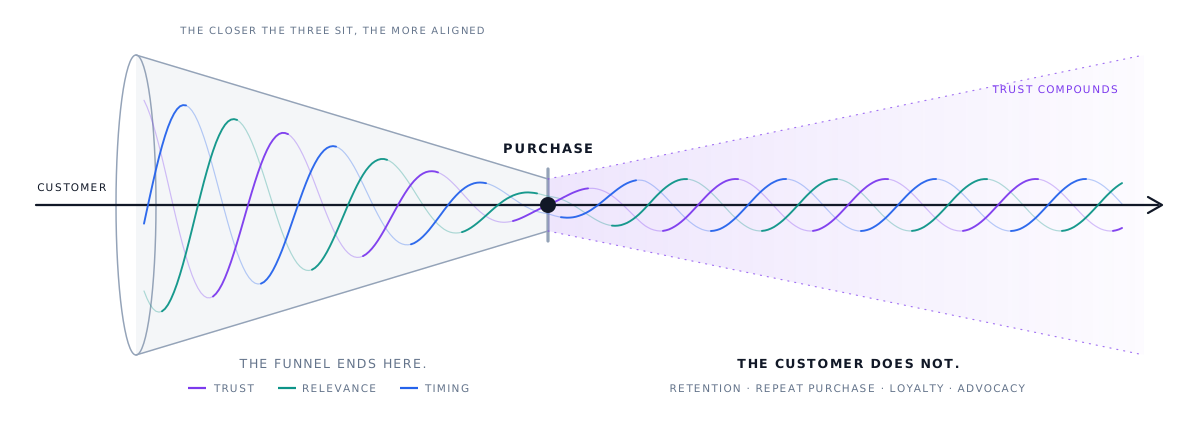
The first left to right drawing of the whole model, on the homepage from October 1 to October 10, 2026: a funnel on its side ending at the purchase, three strands inside it, and the strands continuing afterward.
What changed and why. It carried the right idea, the funnel ends and the customer does not, in eleven labels and three colors. Figure 1 keeps the idea in three labels.
Superseded The model in one picture.
5. Figure 1, three strands (morning of October 10, 2026) Superseded
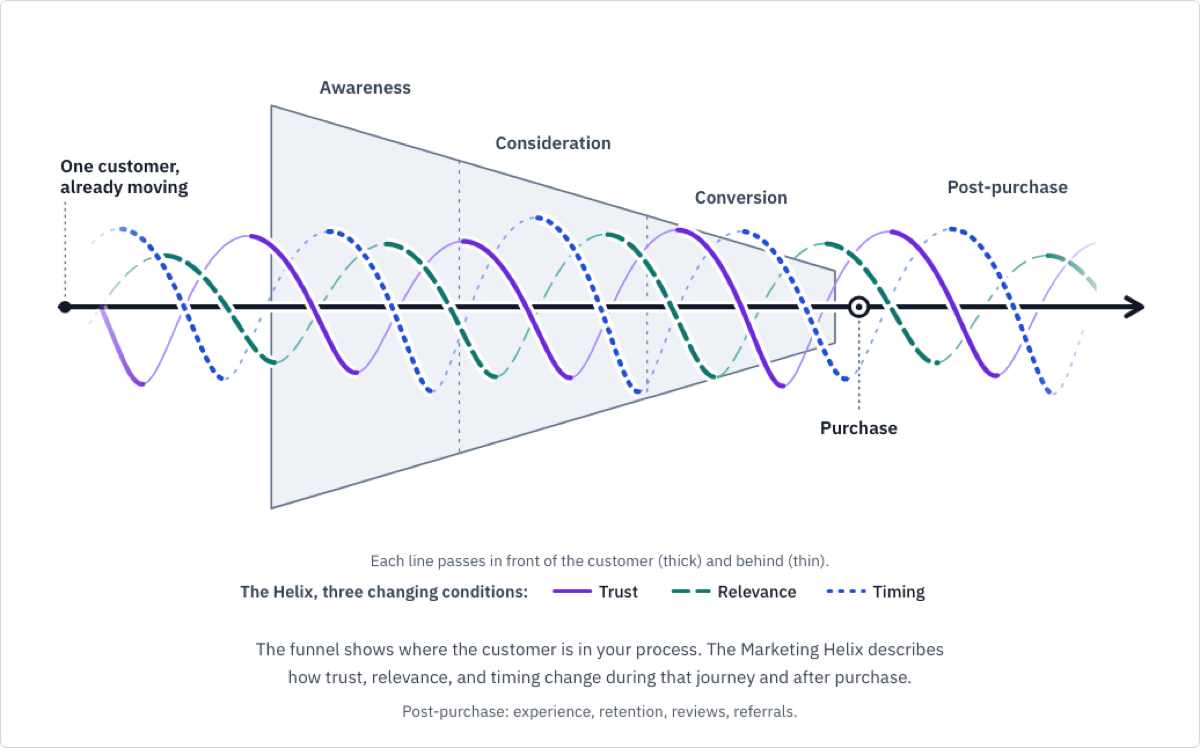
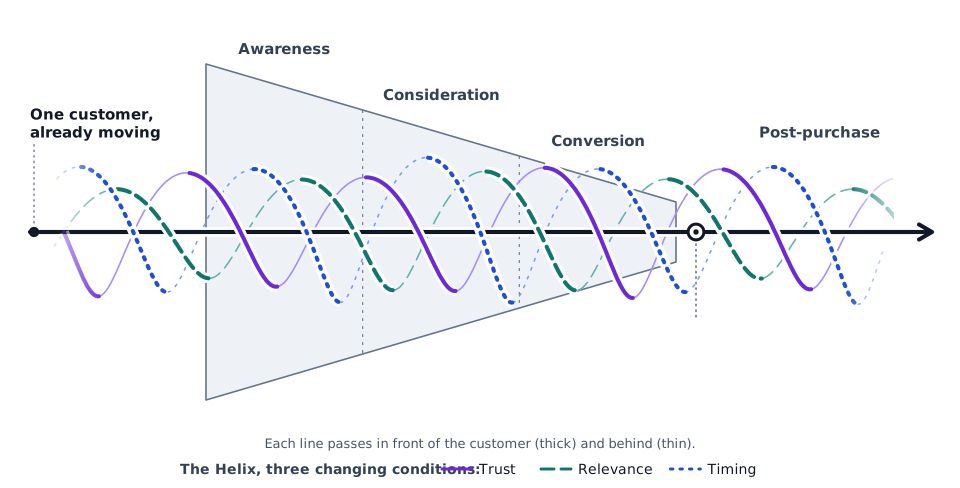
The first opening figure drawn for “the Marketing Helix describes what happens inside your funnel”: one customer, a pale funnel with named stages, and three lines for trust, relevance, and timing.
What changed and why. Cold readers took the three lines for measured waves. The lines were restyled three times and the reading did not move. The figure was withdrawn from the public page the same day.
Superseded Figure 1, three strands.
Superseded The same drawing, final pass.
6. Figure 1, one message (revisions C to I, October 10, 2026) Superseded
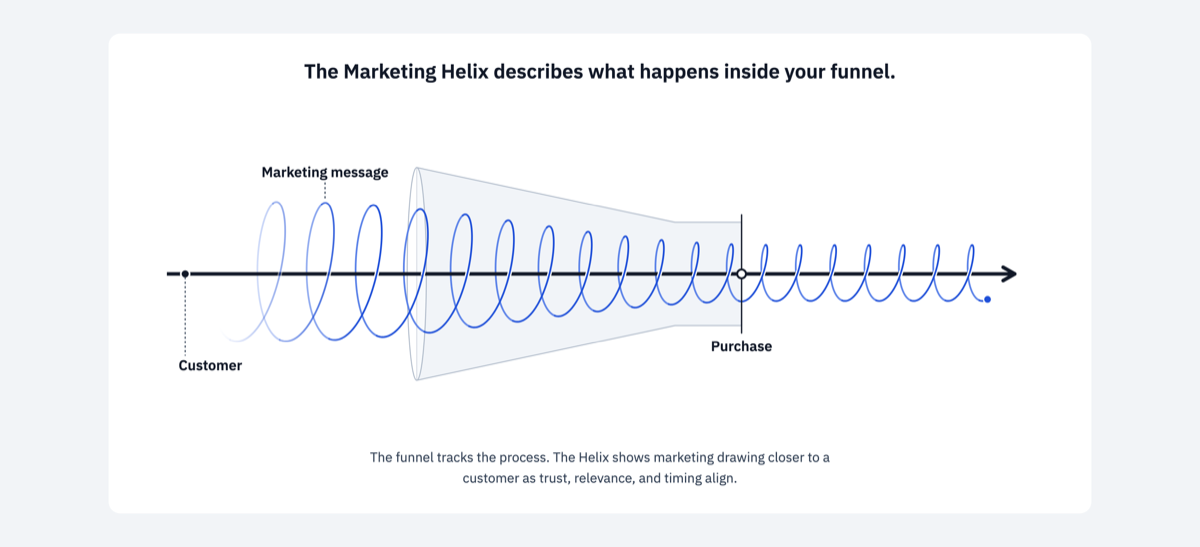
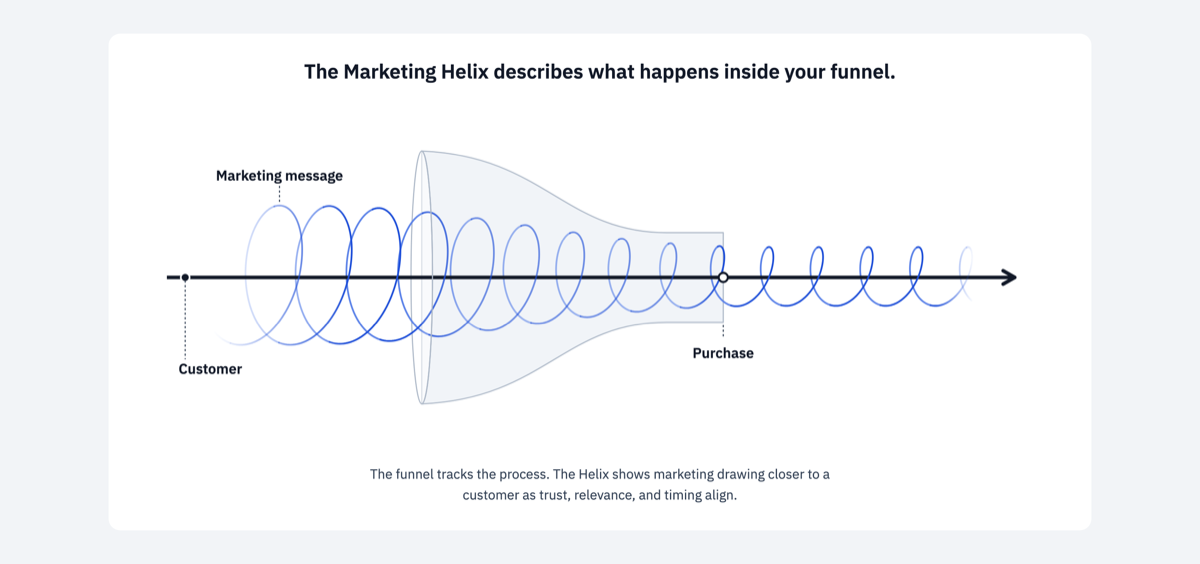
The three lines became one: a single marketing message orbiting the customer, drawing closer through the funnel and staying close after the purchase. The orbit was taken from the Helix on the Digilu homepage, turned a quarter turn.
What changed and why, revision by revision.
F. One orbit, a plain wedge for the funnel. The wedge did not read as a marketing funnel.
H. The funnel redrawn with an intake rim, bell walls and a short neck. The orbit is seen through the funnel, slightly fainter, never cut. The viewing angle was lowered so that the tight turns stay complete loops instead of becoming hooks.
I. A finishing pass: the fading eased, the joins between near and far halves removed, the orbit carried closer to the arrowhead. Revision I, candidate I1, is the current Figure 1.