The leak is built into the picture
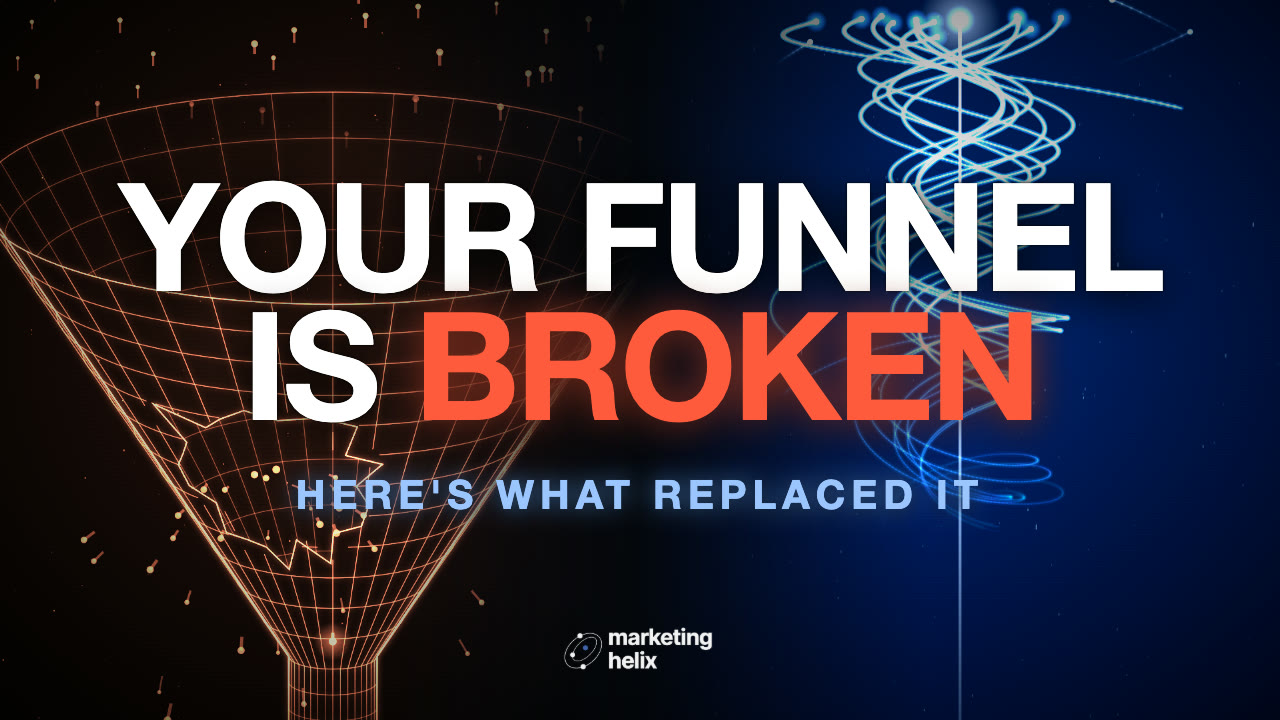
A funnel assumes three things: that the brand puts people in at the top, that they move forward in order, and that the purchase is the exit. Any customer who does not behave that way shows up as loss. A person who reads a review, leaves to think, and comes back through a different door three months later is recorded as a drop at one stage and, if the return is noticed at all, a new lead at another.
So the leak is partly a counting artifact. The diagram measures movement through the company's stages, and customers do not move through the company's stages. They move through their own situation: a budget cycle, a problem getting worse, a recommendation from someone they trust. When those two paths diverge, the funnel reports a leak even when nothing was lost.
That does not make every drop harmless. Some people really do leave, often because the brand failed a gate it never knew was there. The point is that the funnel cannot tell the difference between a person who left and a person who is simply somewhere else.
Where the people who fall away actually go
The Marketing Helix describes four motions: entering, closing, drifting, and returning. Drifting is the one the funnel handles worst, because drift is silent and looks identical to disinterest. A customer whose attention moved elsewhere for reasons unrelated to the brand has not rejected anything. Their readiness dropped, or their question changed, and the message that fit them last month no longer fits.
Returning is where the funnel does the most damage. A returning customer has learned things in the interval and comes back changed. Treating that person as a new lead at the top, with introductory material they have long since moved past, is one of the most reliable ways to lose them for good.
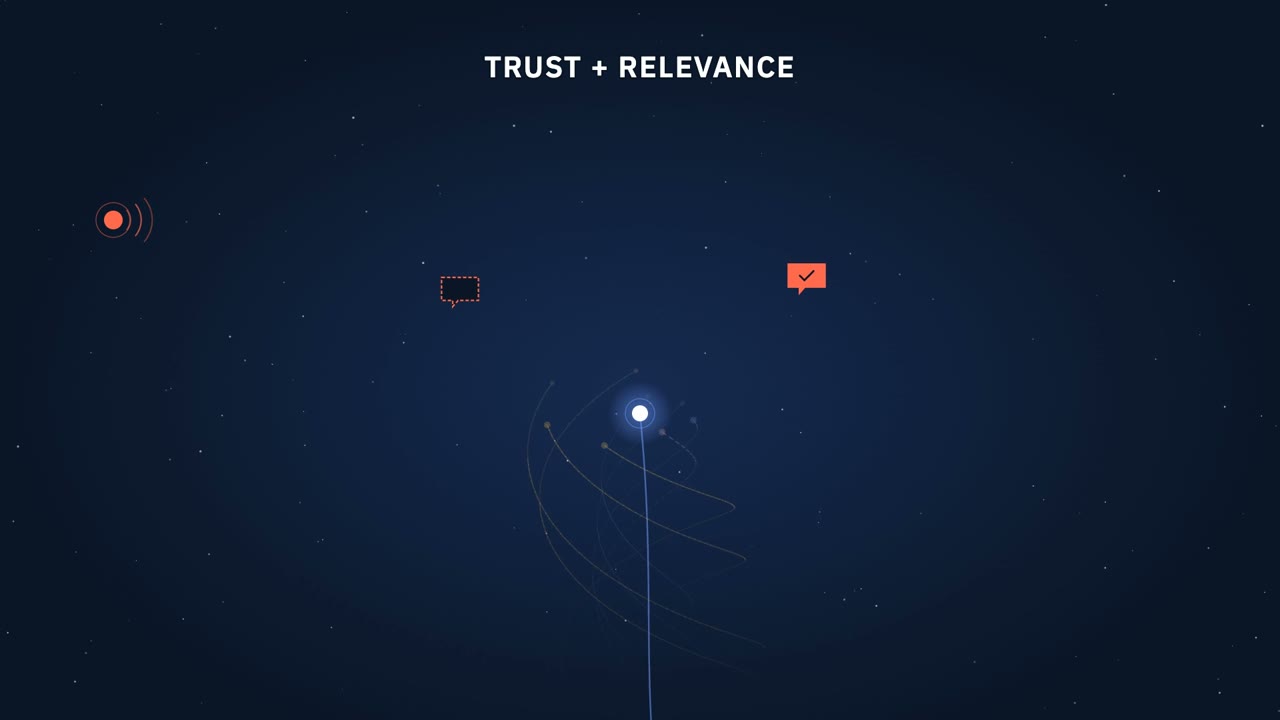
Some people also fall out because a message never passed the first gate. In the Marketing Helix, trust decides whether a message is evaluated at all. A funnel treats trust as something that builds quietly in the background, so a trust failure shows up only as a stage with a poor conversion rate, and the usual response is to push harder at that stage.
Why pouring more in does not fix it
The funnel's standard remedy for a leak is volume: fill the top and accept the losses. The Marketing Helix predicts that this works worse over time, not better. Sending more messages to people who are not ready does not make them ready, and overexposure erodes the trust the next message will need. The leak can widen as the pouring increases.
The alternative is to follow the customer rather than drop them into a system. That means being credibly present across the range of situations customers pass through, with material that fits where they are rather than where the pipeline expects them to be, and recognizing a returning customer as someone further along, not back at the start. The funnel can stay as the company's internal map. It just stops being mistaken for the customer.
Where this does not hold
In tightly controlled journeys, such as a single sales channel or a contained sequence to a defined list, customers do move more nearly in order, and stage drop off there is a fair diagnostic. The funnel also describes the final conversion step well once a customer is already aligned. And a drop is not always motion: sometimes the offer, the price, or the execution is the real problem, and the model should not be used to explain that away.
More from The Marketing Helix
 0:58What replaced the marketing funnel?
 0:15What decides which marketing messages get through?
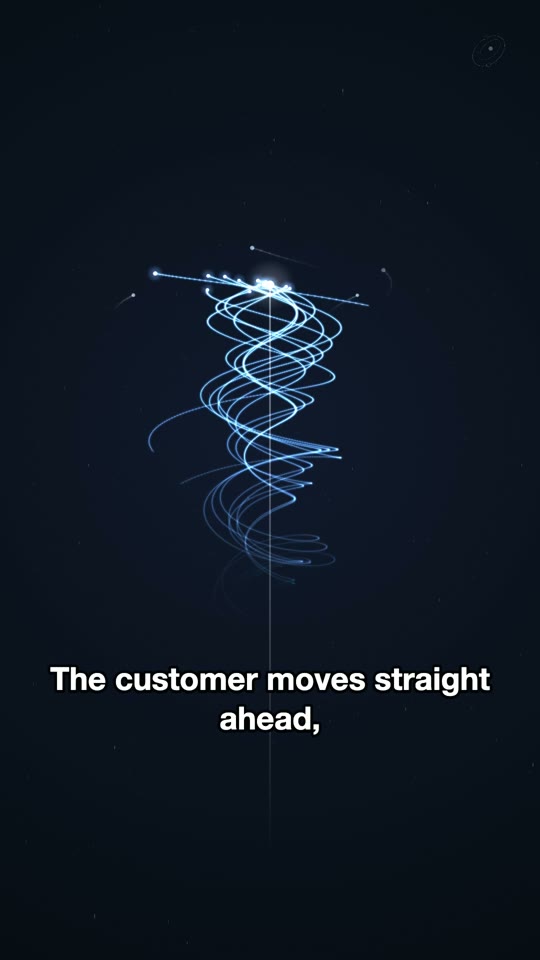 0:16Why is marketing shaped like a helix, not a funnel?
Questions
Why does the marketing funnel lose so many customers?
The marketing funnel loses customers partly on paper. It models the company's stages, so anyone who moves out of order, pauses, or returns through another channel is recorded as lost. The Marketing Helix holds that many of those people are still customers in motion, drifting or waiting for readiness, and that the funnel simply cannot see where they went.
Should businesses stop using the marketing funnel?
No. The Marketing Helix keeps the funnel as a description of a company's internal process and of the final conversion step for a customer who is already aligned. What the Marketing Helix rejects is reading the funnel as a model of the customer, because customers enter from any direction, drift, return, and keep moving after they buy.
What should a business do about customers who drift away?
In the Marketing Helix, drift is usually silent and unrelated to the brand, so it should not be treated as rejection. The response is to stay credibly present with material that fits the customer's likely situations, and to recognize a returning customer as someone further along rather than restarting them at the top as a new lead.
Transcript
For a century, marketing pictured the customer as a funnel. Pour people in at the top, and watch most fall away. The Helix begins from the opposite premise. We do not drop the customer into a system. We follow the customer, who is already in motion. The model for customers in motion.
Narration is a synthetic voice.