What the budget controls, and what it does not
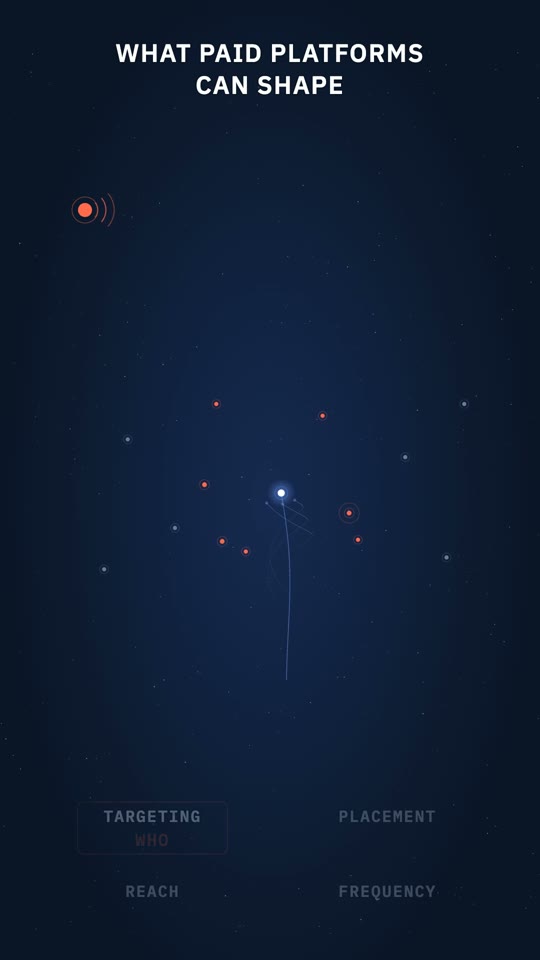
A paid platform sells four things: who sees the message, where it appears, how many people it can reach, and how often it repeats. Those are real controls, and they are the reason advertising exists. A brand can decide to be present in a place, at a scale, on a schedule, instead of waiting to be found.
None of those four controls reaches the customer's decision. Selection happens when trust, relevance, and timing are all present above their thresholds at the same moment. Trust is accumulated over time from experience, reviews, recommendations, and demonstrated competence. Relevance is the fit between the message and the customer's current decision state. Timing is the customer's own readiness. A budget can put a message in the room. It cannot make the customer ready, and it cannot make them believe it.
Why the customers are already moving
The first principle of the model is that customers are already in motion. They are not waiting at the top of a funnel for an ad to start their journey. Their readiness, the depth of their consideration, and their trust in a category change continuously, with or without any brand's involvement. A budget freeze, a recommendation from a colleague, a bad experience elsewhere: any of these can move a customer further than a campaign does.
Seen that way, advertising does not create movement. It creates more chances to intersect with movement that is already happening. That is a narrower claim than the one many media plans are built on, and a more useful one, because it points to the right question: when a customer in motion encounters this message, what do they find?
What this changes about how a campaign is judged
If advertising bought customers, the measure of a campaign would be customers per dollar, and every shortfall would call for more dollars. If advertising buys distribution, the first measure is whether the distribution reached the right people, in the right places, often enough to be present during their readiness. The second measure, whether those people moved closer, belongs to the forces the ad cannot purchase.
That split protects a business from two opposite errors. One is blaming the media when the real problem is the message, the offer, or the evidence behind them. The other is dismissing paid media altogether because it did not do something it was never able to do. Distribution is valuable. It is simply not the same thing as a customer.
Where this does not hold
In some categories a customer can move from first sight of an ad to purchase in a single session, and it can look as if the ad bought the sale. The model reads that case differently: trust and readiness were already in place, often built elsewhere, and the ad arrived inside the window. The ad was decisive for timing. It still did not create the trust it relied on. The Marketing Helix does not predict how quickly any particular category converts, and it makes no claim about returns on advertising in general.
More from What Paid Media Actually Buys
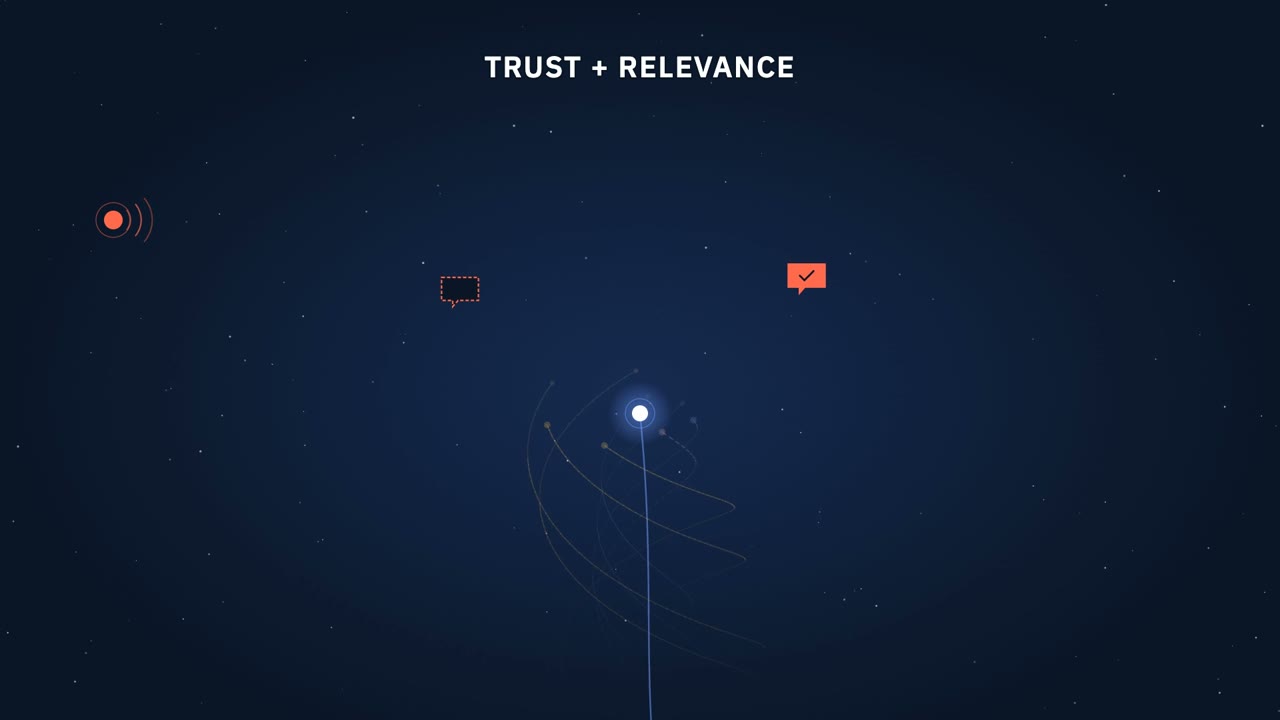 0:59What does paid media actually buy?
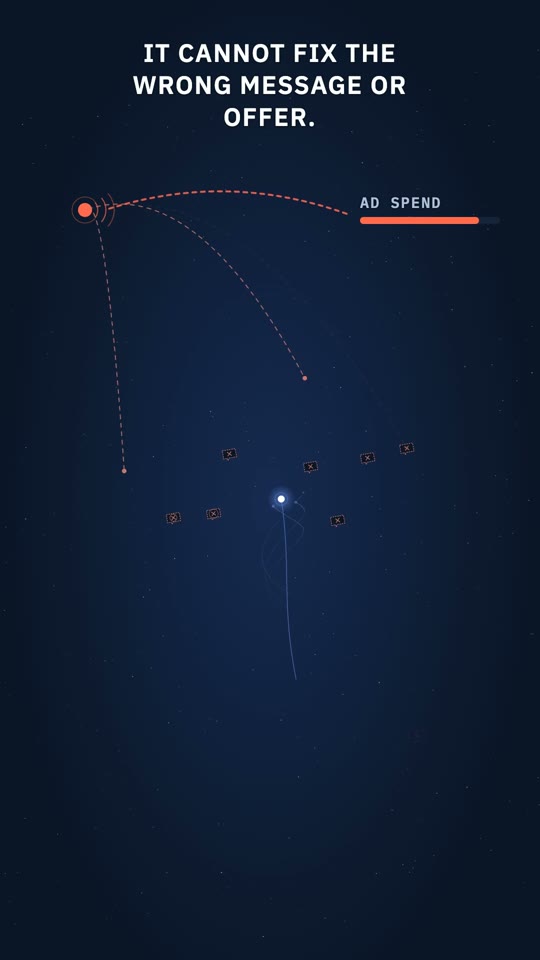 0:18Why doesn't more ad spend fix a weak ad?
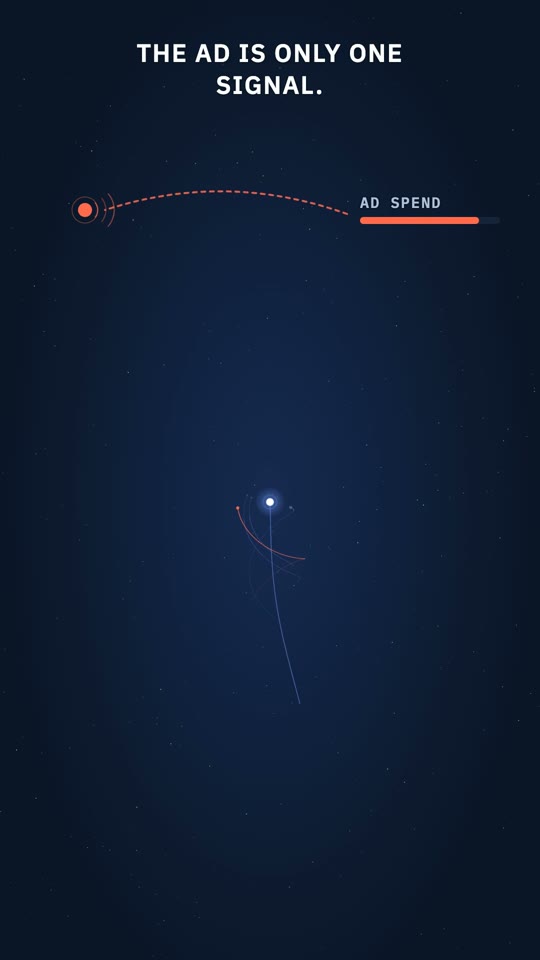 0:23When does paid media actually work?
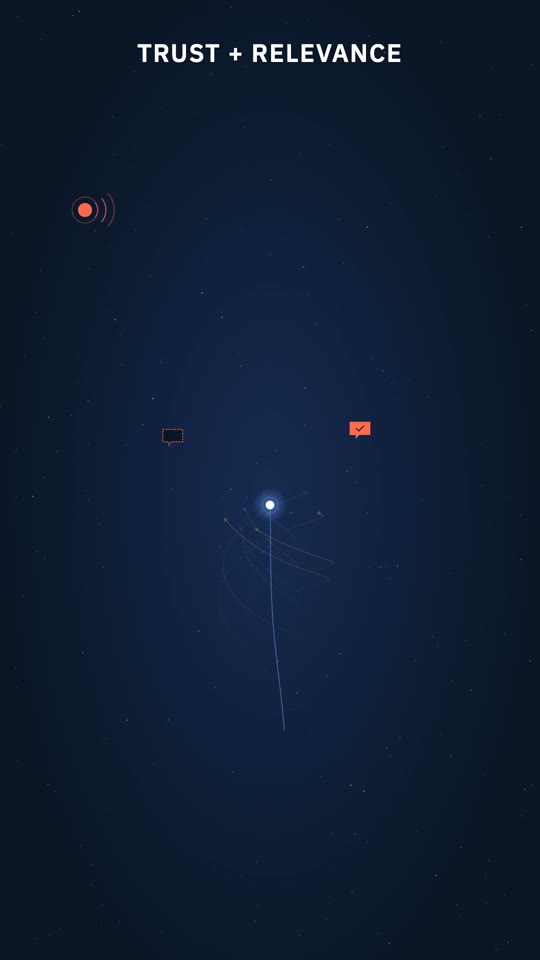 0:19What happens when you stop advertising?
Questions
Does advertising buy customers?
No. In the Marketing Helix, advertising buys distribution: who sees a message, where it appears, how many people it reaches, and how often. Customers make that choice themselves, and they select when trust, relevance, and timing align. An ad can put a message in front of a customer in motion. It cannot make that customer trust it or be ready to act.
If customers are already moving, why advertise at all?
Because presence matters when readiness is unpredictable. The Marketing Helix treats timing as a distribution problem: a brand cannot know when each customer becomes ready, so it maintains credible presence where customers look. Paid media is one way to increase that presence on the brand's own schedule. Its value is more chances to meet customers in motion, not a guaranteed sale.
Transcript
Paid media doesn't buy customers. It buys distribution. Your customers are already moving. Advertising creates more chances to reach them. Paid platforms shape who sees the ad, where it appears, how many people it can reach, and how often. The Marketing Helix. The model for customers in motion.
Narration is a synthetic voice.