What ends immediately
Paid delivery is rented. The placements, the reach, and the frequency exist only while the budget runs. When it stops, the brand's paid presence in those places stops with it. Any customer whose readiness arrives after that point will not meet a paid message there.
This is worth stating plainly because it is often forgotten in planning. A program that depends entirely on paid delivery for its visibility has no presence the day the budget pauses. In the model's terms, the timing problem returns in full: readiness keeps occurring across the market, and the brand is no longer reliably present when it does.
What can remain
Two things can outlast the spend. The first is brand memory: the familiarity and associations left by credible, consistent exposure. The second is the wider trust environment: the reviews, referrals, proof, and public reputation produced by customers the campaign reached and by everything else the brand did.
The Marketing Helix treats the second as the more durable. Through the Post-Purchase Helix, what customers say and do after buying becomes a trust input for customers who have not decided yet. Those signals do not switch off with the budget. Customers in motion who search months later still meet them.
Why what remains can point either way
The trust environment is not automatically positive. Trust compounds when signals stay consistent, and decays when they are contradicted. A campaign that brought in customers who were well served leaves reviews and referrals that lower the threshold for future customers. One that brought in customers who were disappointed leaves signals that raise it, and those also persist.
Brand memory has a similar condition. It helps only while it stays current and matched to what the brand is now. Alignment is temporary in the model: customers' questions move, competitors reposition, and evidence ages. Without continued credible presence, earned or paid, memory fades and the relevance it once carried drifts.
How to plan with this in mind
The practical question for any paid program is not only what it produced while running, but what it will leave behind. That shifts attention toward the parts of the system that persist: the experience customers have after they buy, the proof they generate, and the credible presence the brand keeps in places customers look without being paid to be there. Paid media then does what it does best, extending reach at chosen moments, on top of a trust environment that does not disappear when the invoice does.
Where this does not hold
The model does not predict how long brand memory lasts or how quickly demand changes after a pause; that varies by category, competition, and how customers buy. For a brand whose trust environment is thin, stopping spend can mean very little remains, and the claim here is about what can persist, not a promise that it will.
More from What Paid Media Actually Buys
 0:59What does paid media actually buy?
 0:21Does advertising buy customers?
 0:18Why doesn't more ad spend fix a weak ad?
 0:23When does paid media actually work?
Questions
What happens when you stop advertising?
When a business stops advertising, paid delivery stops immediately. In the Marketing Helix, what can remain is brand memory and the wider trust environment: reviews, referrals, proof, and reputation built by customers the advertising reached. Those signals keep shaping future customers, favorably or not, depending on how earlier customers were served.
Is it the ads or the trust that brings customers back?
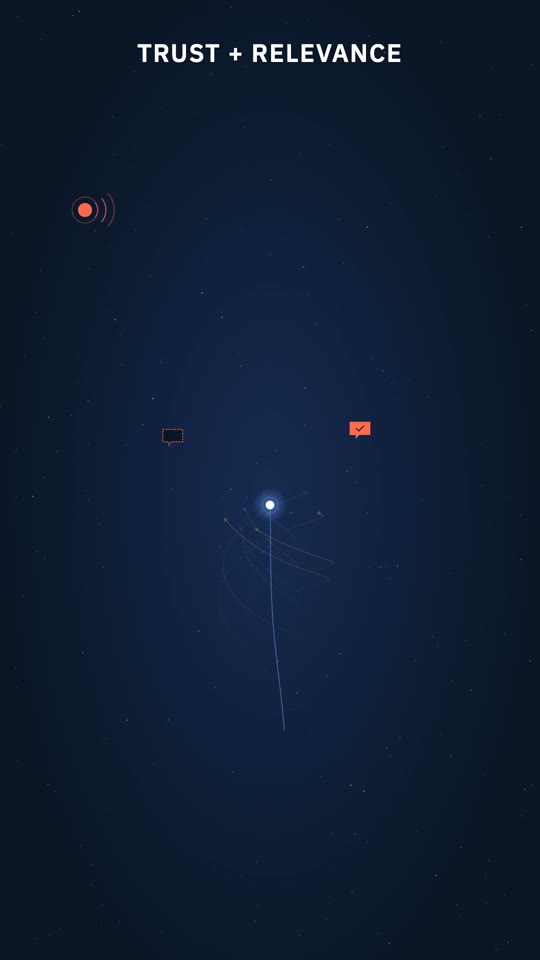
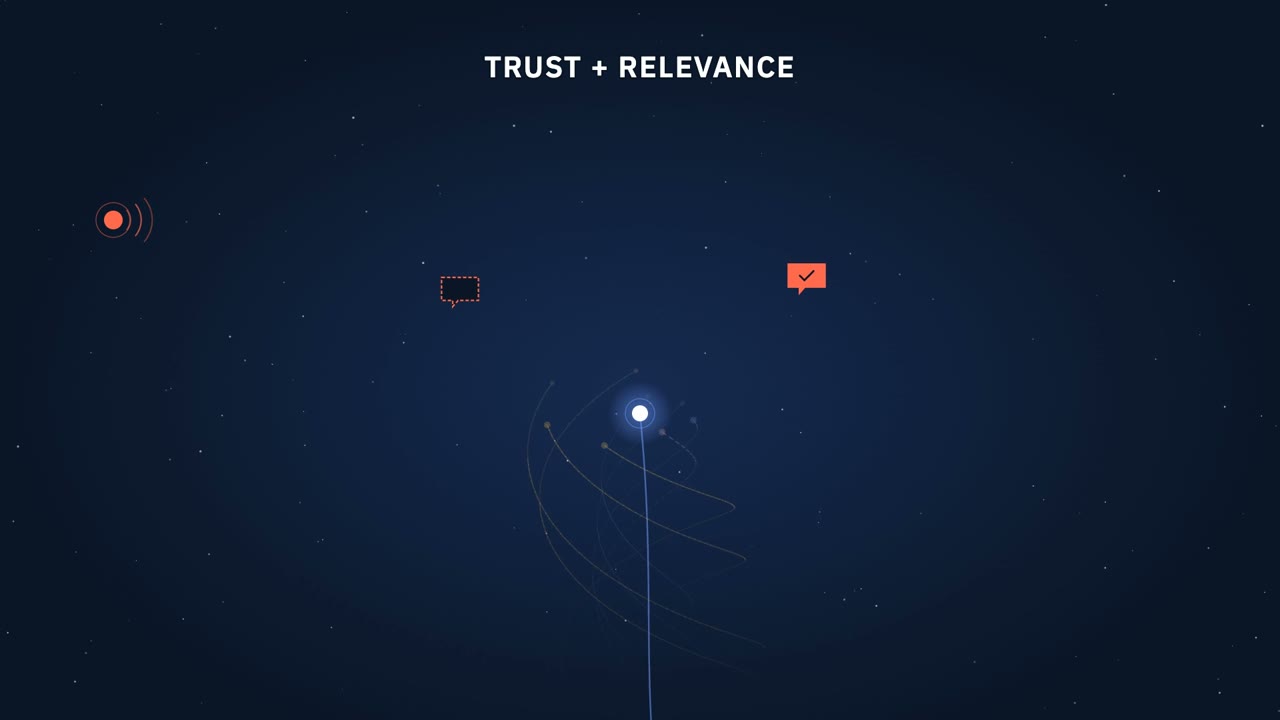
The Marketing Helix separates the two. Ads buy opportunities to appear; trust and relevance determine whether a message moves a customer closer. When spend stops, the opportunities to appear through paid placement stop, while trust signals such as reviews and referrals can continue influencing customers who are still making up their minds.
Transcript
When spend stops, paid delivery stops. Brand memory and the wider trust environment can remain. Paid media buys opportunities to appear. Trust and relevance determine whether the message moves closer or fades. The Marketing Helix. The model for customers in motion.
Narration is a synthetic voice.