Four parts of fit, and why all four matter
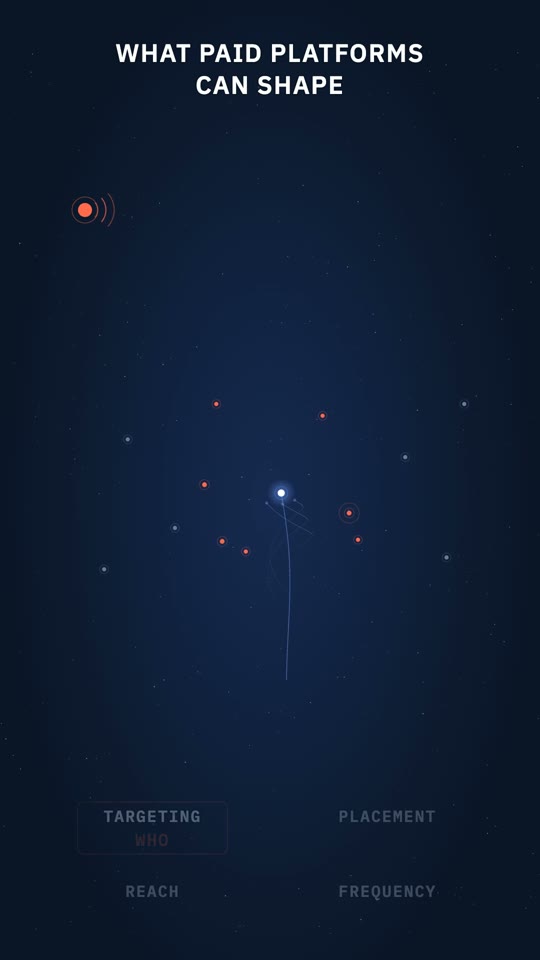
Targeting decides who the message reaches. The message decides what they are told. The offer decides what they are asked to do. The landing experience decides what they find when they act. Each can be sound on its own and still fail the customer, because the customer meets them as one encounter, not four.
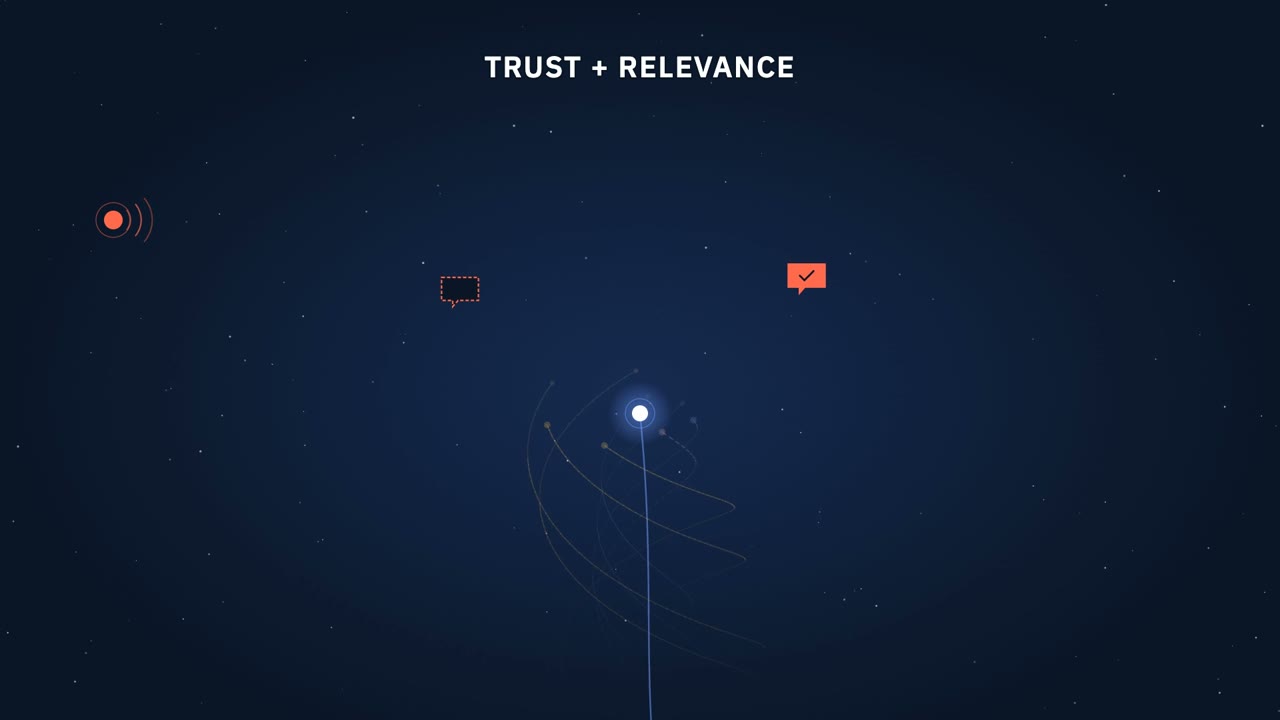
This mirrors how the model treats the three forces. Trust, relevance, and timing are simultaneous thresholds, and one weak condition blocks the rest. A well-targeted, well-written ad that leads to a page answering a different question has broken relevance at the last step. An accurate message with an offer that asks for more commitment than the customer is ready to give has broken timing. Fit is the whole chain holding at once.
What paid media adds when fit is in place
The model treats timing as a distribution problem. Readiness is internal to the customer and largely invisible to the brand, so the practical goal is to be present, credible, and matched when readiness happens. Paid media is one of the few ways to raise that presence on the brand's own schedule, in places the brand chooses.
When the message already fits, that extra presence is worth a great deal. More customers in motion meet an aligned message during more of their readiness windows, and discovery and consideration can move faster than earned channels alone would carry them. This is the legitimate strength of advertising, and it is significant.
Why the ad is only one signal
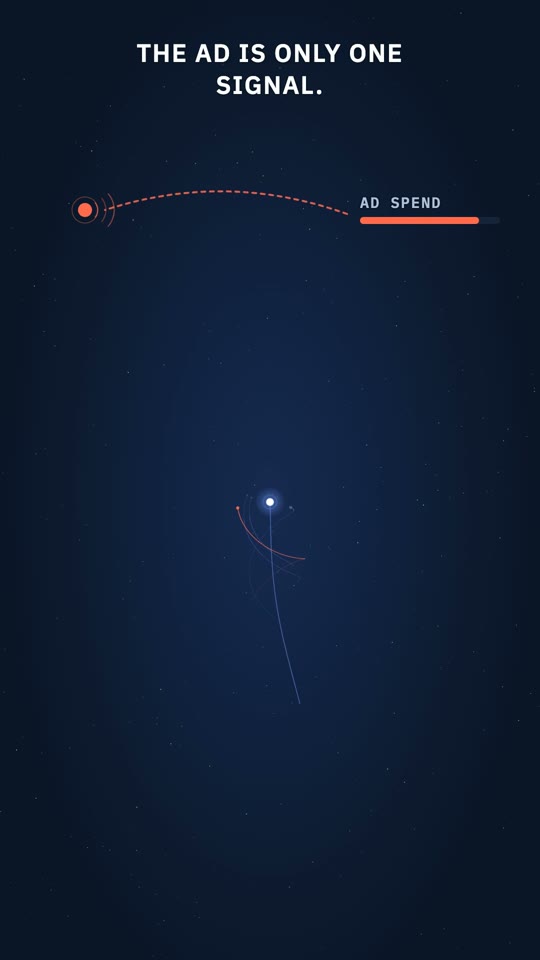
A customer who notices a well-fitted ad does not decide on the ad alone. They check. They read reviews, notice reputation, look for proof, recall past experience with the brand or the category, and weigh what others have told them. In the model these are trust inputs, and they are accumulated largely outside the campaign.
That is why the same ad can perform very differently for two brands. The ad opens the door. The trust environment behind the door decides whether the customer walks through. A brand with a strong baseline passes the first gate easily; one without it asks the ad to carry weight it cannot carry. The Post-Purchase Helix matters here too, because the reviews a new customer reads were written by earlier customers.
Keeping fit current
Fit does not stay fixed. Customers' questions move, competitors change the context, and evidence ages. The model's principle that alignment is temporary applies directly: an ad that fit last season can stop fitting without anything being wrong with it. Adaptive advertising, Adaptive Marketing applied to paid media, is the practice of changing audience, creative, offer, allocation, and timing as that evidence changes.
Where this does not hold
The model does not name which platforms, formats, or budgets suit a business, and it does not predict results. Fit is necessary for paid media to move customers closer. It is not a guarantee that it will, because the customer's readiness and the wider trust environment remain outside the brand's control.
More from What Paid Media Actually Buys
 0:59What does paid media actually buy?
 0:21Does advertising buy customers?
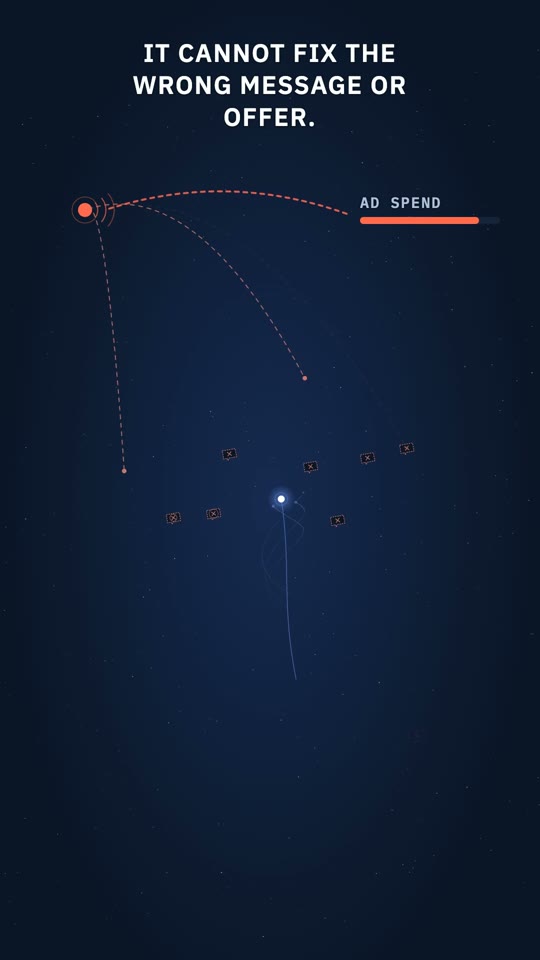 0:18Why doesn't more ad spend fix a weak ad?
 0:19What happens when you stop advertising?
Questions
When does paid media actually work?
According to the Marketing Helix, paid media works when targeting, message, offer, and landing experience fit the customer and the moment. Then it raises the chance that an aligned message is present during a customer's readiness, which can accelerate discovery and consideration. The ad remains one signal, so reviews, reputation, proof, and prior experience still shape what the customer does next.
Why do reviews matter to an advertising campaign?
Reviews matter because customers check before they decide. In the Marketing Helix, reviews, reputation, and proof are trust inputs, and trust is the first gate a message must pass. An ad can bring a customer to the brand, but the trust environment they find there, much of it written by earlier customers, decides whether they move closer.
Transcript
When targeting, message, offer, and landing experience fit the customer and moment, paid media can accelerate discovery and consideration. But the ad is only one signal. Reviews, reputation, proof, and prior experience shape what happens next. The Marketing Helix. The model for customers in motion.
Narration is a synthetic voice.