Four outcomes, one condition
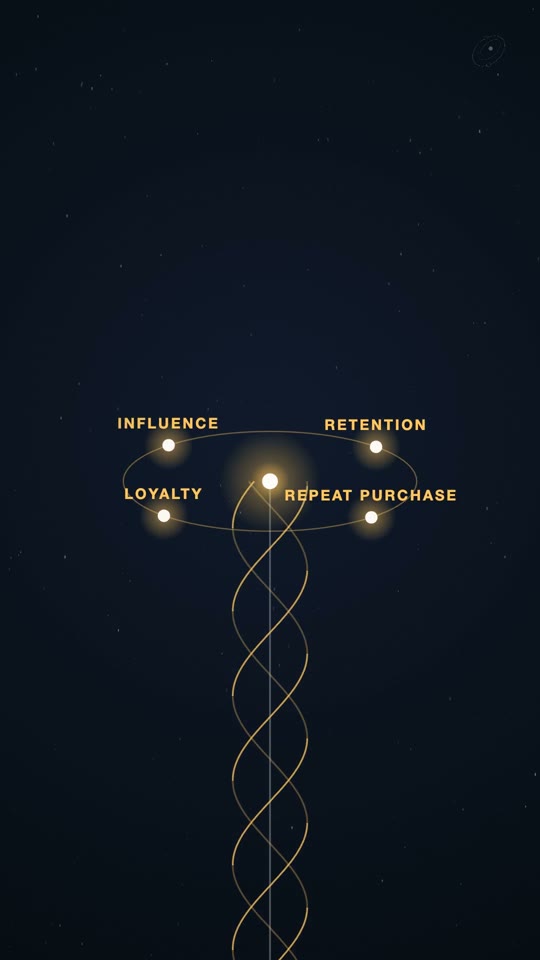
Retention is the customer staying with an ongoing product or service. Another purchase is a new need met by the same brand. Loyalty is the brand becoming the default rather than one option among several. Influence is the customer's experience reaching other people through reviews, referrals, and conversation.
The model does not present these as a ladder that every customer climbs. They are possibilities that stay open while one condition holds: trust keeps growing. When trust is reinforced by direct experience, the relationship tightens and these outcomes become more likely. When it is not, the customer drifts and the possibilities close, usually without any signal that they have.
Businesses that sell something once
Many businesses sell something a customer will buy once or very rarely. A household replaces a roof once in a long stretch of years. A couple plans one wedding. A family sells a home only a few times in a lifetime. For these businesses, retention and repeat purchase barely exist, and it is tempting to conclude that the post-sale period does not matter.
The Marketing Helix reaches the opposite conclusion. For a one-purchase business, influence is often the only outcome available, and it is a powerful one. The roofer's past customer is the neighbor someone asks. The wedding vendor's past couple is the friend whose wedding a guest remembers. The real estate agent's past client is the name passed along when someone mentions they are thinking of moving. The customer will not buy again, but they keep moving through their own relationships, and the brand travels with them if the experience earned it.
Why influence is worth more than it looks
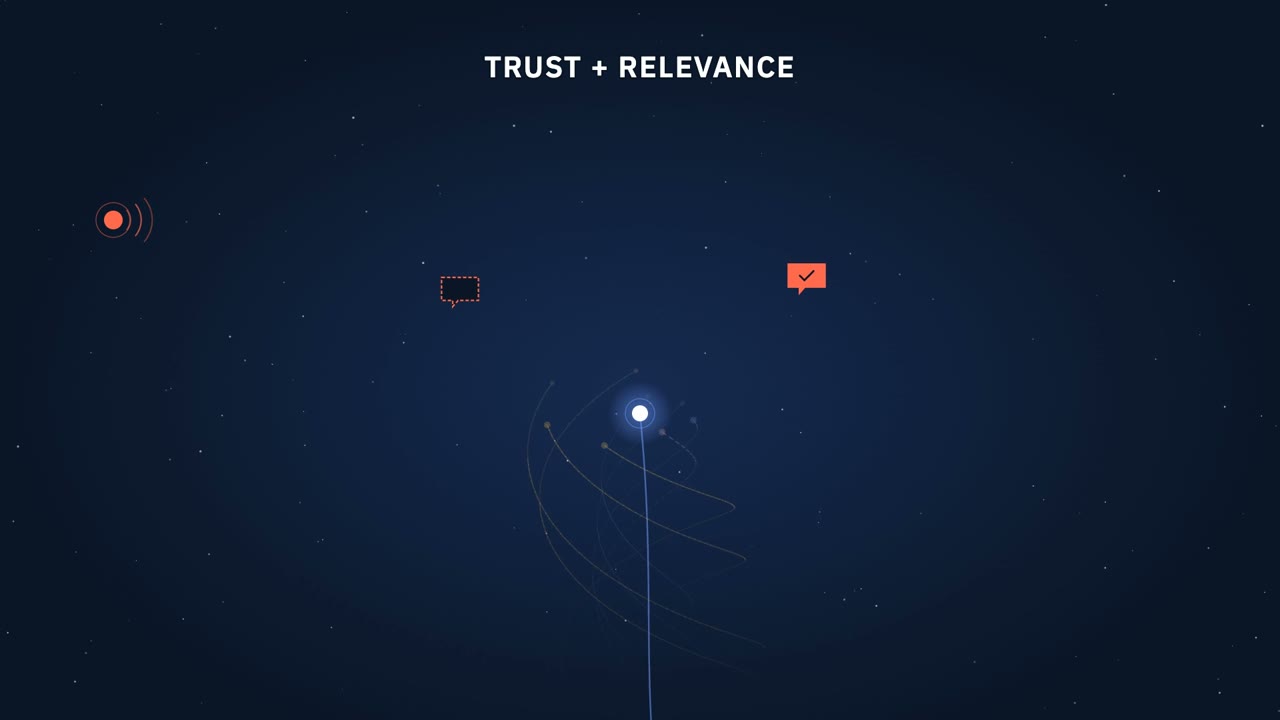
Influence reaches customers in motion whom the brand has not met. In the Marketing Helix, a recommendation enters the information environment as a trust signal, and a prospect often encounters it before any message the brand sent. It arrives from someone the prospect already trusts and about a situation that person understands, so much of the work a brand's own marketing would have to do is already done.
This is the feed-forward mechanism at the center of the Post-Purchase Helix. Each customer whose trust kept growing raises the baseline for the next, and the brand's future acquisition is partly built by past customers rather than by media spend. For a one-purchase business, that mechanism is not a bonus on top of repeat revenue. It is the main way the helix advances.
Where this does not hold
None of these outcomes is guaranteed, and a good experience does not automatically produce a recommendation. Willingness to share rises briefly after a positive experience and then fades. Influence also cuts both ways: a poor experience travels at least as readily as a good one, and often without being asked. The model describes the conditions under which a purchase can become more, not a promise that it will.
More from The Post-Purchase Helix
 0:45What happens to the customer after the sale?
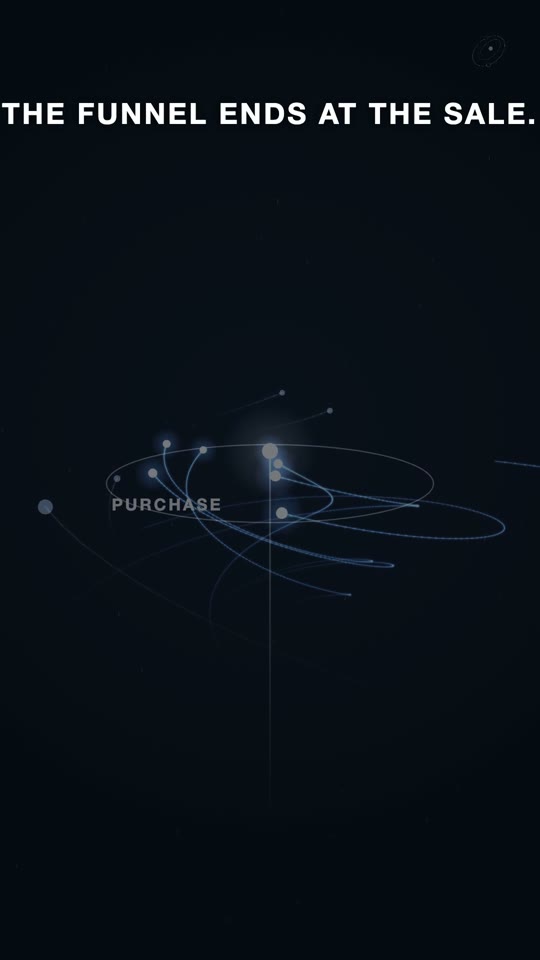 0:15Is the sale the end of the customer journey?
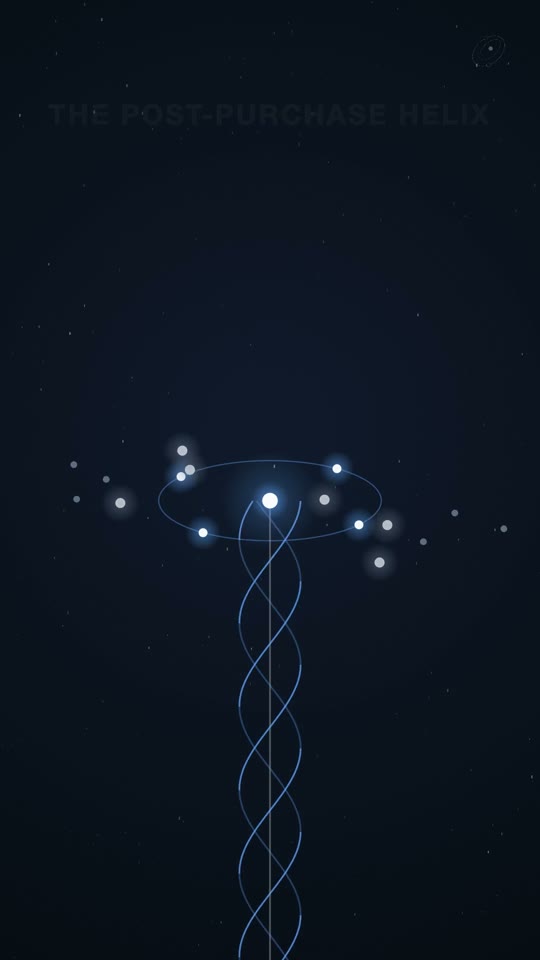 0:16What changes for a customer after they buy?
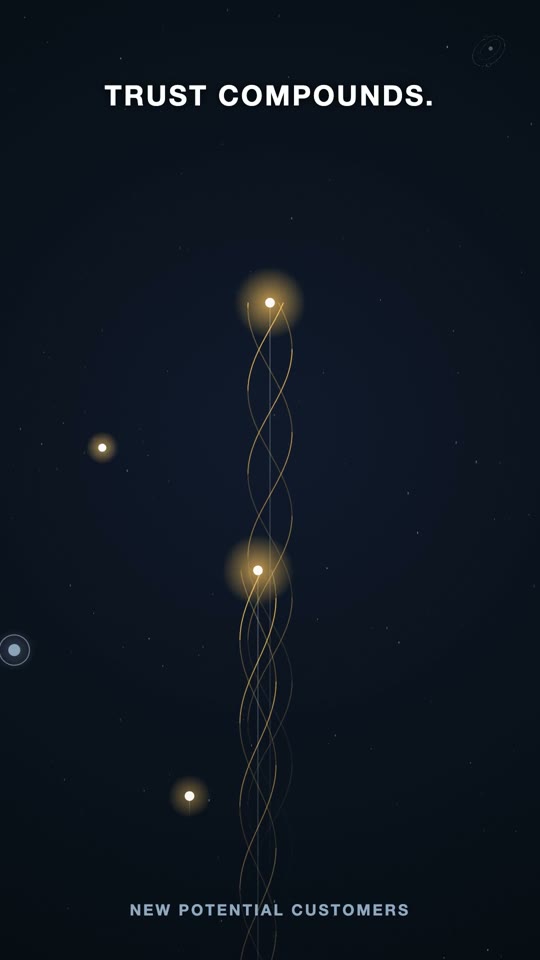 0:17How does customer trust compound?
Questions
What can a single purchase turn into?
The Marketing Helix holds that where trust keeps growing after the sale, a single purchase can become retention, another purchase, loyalty, or influence. These are not steps every customer climbs. They are possibilities that stay open while trust is reinforced and close quietly when the customer drifts.
Does the post-purchase period matter for a business customers only buy from once?
Yes. In the Marketing Helix, a business that sells something bought once, such as a roof, a wedding, or a home sale, still depends on the Post-Purchase Helix because influence is its main outcome. Past customers recommend the business to people the brand has never met, and those recommendations arrive already trusted.
What does influence mean in the Marketing Helix?
In the Marketing Helix, influence is what happens when a customer's experience reaches other people through reviews, referrals, and conversation. It enters the information environment as a trust signal that new customers often meet before any brand message, which lowers the trust they need from the brand itself.
Transcript
Where trust keeps growing, a purchase can become retention, another purchase, loyalty, or influence. This is the Marketing Helix. The model for customers in motion.
Narration is a synthetic voice.