What the finish line actually measures
A funnel is an accurate picture of something real: how a company handles its own opportunities. Leads are qualified, deals advance, and a won deal leaves the pipeline. Treating the sale as the finish line makes sense inside that picture, because from the pipeline's point of view there is nothing left to manage.
The trouble is that the same diagram is often read as a description of the customer. When that happens, the end of the company's process gets mistaken for the end of the customer's interest, and everything the customer does next falls outside anything the business is watching. The funnel is not wrong about the pipeline. It is simply silent about the person.
What keeps moving after the purchase
The customer arrived with a need, and the need does not vanish at checkout. They now judge the brand on direct experience rather than on promises: whether delivery matched the description, whether support answers, whether the result holds up. That experience is the strongest trust input in the Marketing Helix, and it starts accumulating, or eroding, the moment the sale is complete.
The customer's surroundings keep moving too. Competitors keep marketing to people who just bought from someone else. Friends ask how it went. New needs appear that the same brand could meet, or that a different brand will. None of this waits for the company to open a new campaign. Customers in motion do not pause because a transaction closed.
Why treating the sale as final costs growth
When the sale is treated as the end, the period right after it tends to go quiet. In the Marketing Helix that quiet is not neutral. Without reinforcement, trust decays and the customer drifts, and a drifted customer is more expensive to bring back than a close one is to keep.
There is a second cost that is easier to miss. What customers say after buying becomes the trust environment for the next customers, who often read a review or hear a recommendation before they ever see an ad. A business that stops paying attention at the sale is also, without meaning to, leaving its future acquisition to chance. Post-purchase quality and new-customer trust are the same system viewed from two ends, which is why the model calls the purchase a transition rather than a terminal event.
Where this does not hold
Some purchases really are close to final for the buyer: a product bought once in a lifetime, or a service with no follow-on need. Even there the customer's movement continues through what they tell others, but the brand may have little direct relationship left to manage. And the funnel remains a useful tool for running the pipeline; the claim is only that it should not be read as a model of the person.
More from The Post-Purchase Helix
 0:45What happens to the customer after the sale?
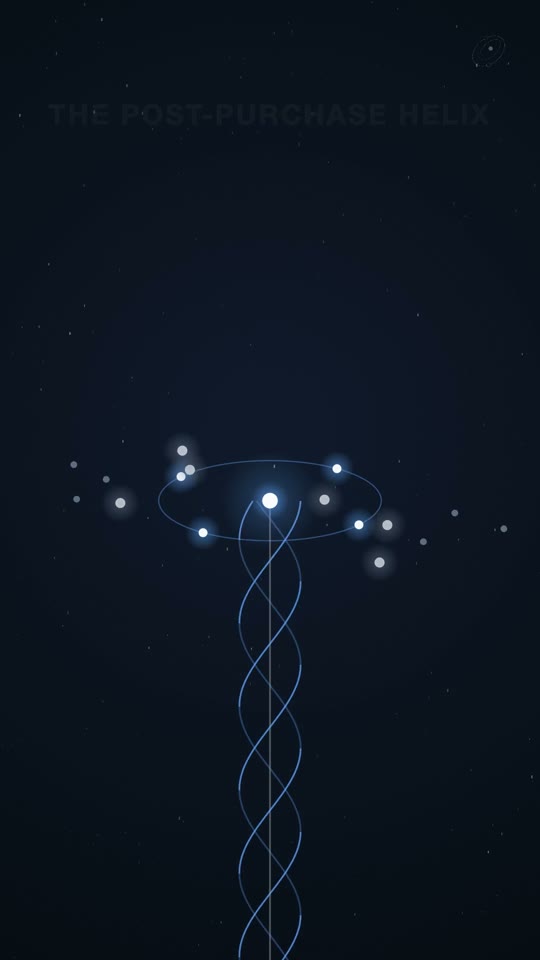 0:16What changes for a customer after they buy?
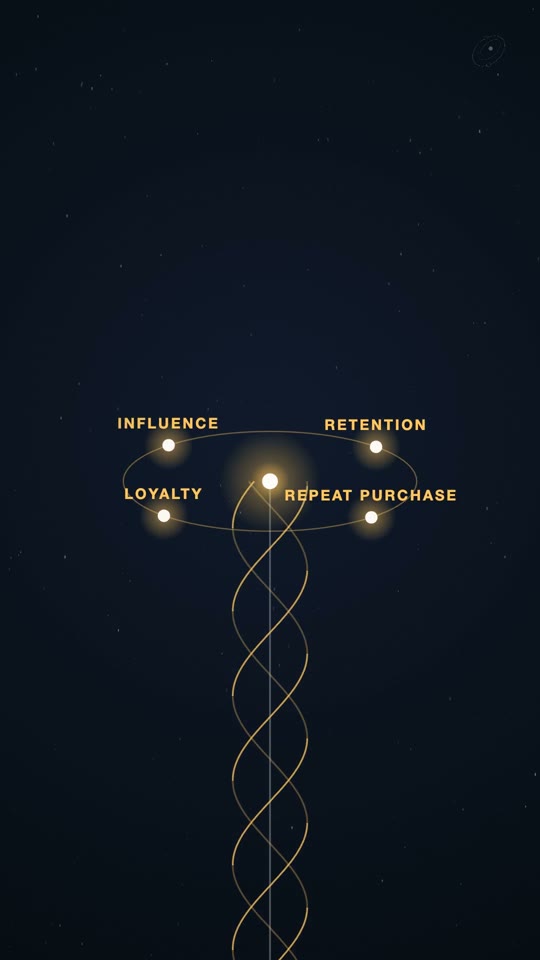 0:14What can one purchase turn into?
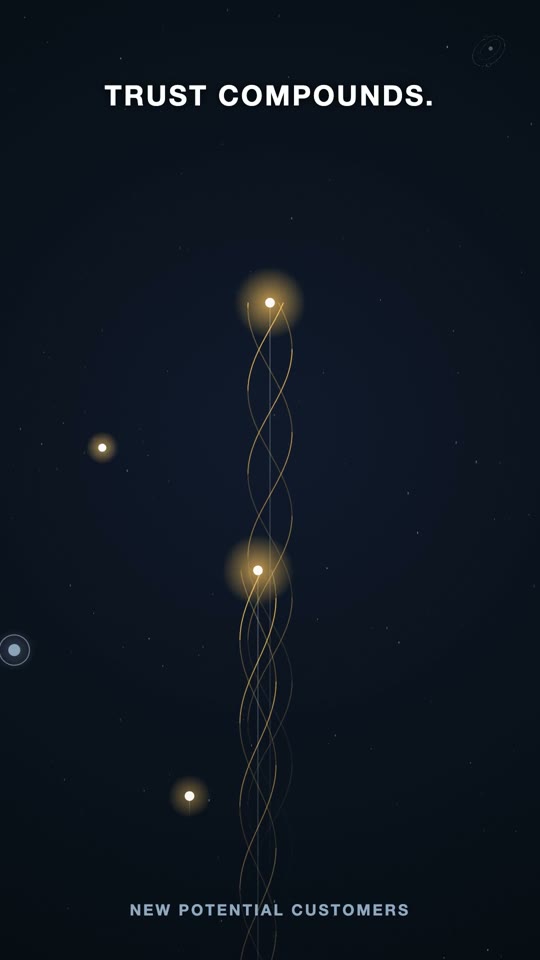 0:17How does customer trust compound?
Questions
Does the customer journey end at the purchase?
No. In the Marketing Helix the purchase ends the company's sales process, not the customer's movement. After buying, the customer judges the brand on direct experience, their needs keep changing, and what they tell others becomes trust for future customers. The model treats purchase as a transition in the helix rather than a terminal event.
Why does the marketing funnel stop at the sale?
The marketing funnel stops at the sale because it describes a company's internal pipeline, where a won deal leaves the process. That makes it useful for managing opportunities. The Marketing Helix argues it becomes misleading when read as a model of the customer, because the customer's trust, needs, and influence continue well past the purchase.
What is the risk of treating the sale as the finish line?
Treating the sale as the finish line usually means the period after it goes quiet. In the Marketing Helix, silence erodes trust, so the customer drifts and becomes harder to keep. It also neglects the reviews and recommendations that shape how new customers see the brand before any marketing reaches them.
Transcript
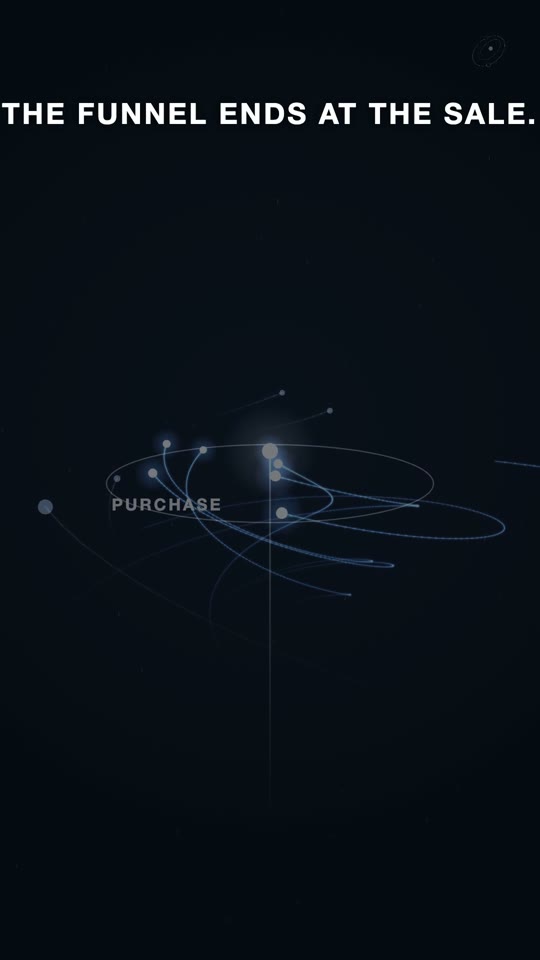
Most marketing treats the sale as the finish line. But the funnel ends at the sale. The customer doesn't. This is the Marketing Helix. The model for customers in motion.
Narration is a synthetic voice.